
Wednesday, 15 January 2025
Hall C (New Orleans Ernest N. Morial Convention Center)
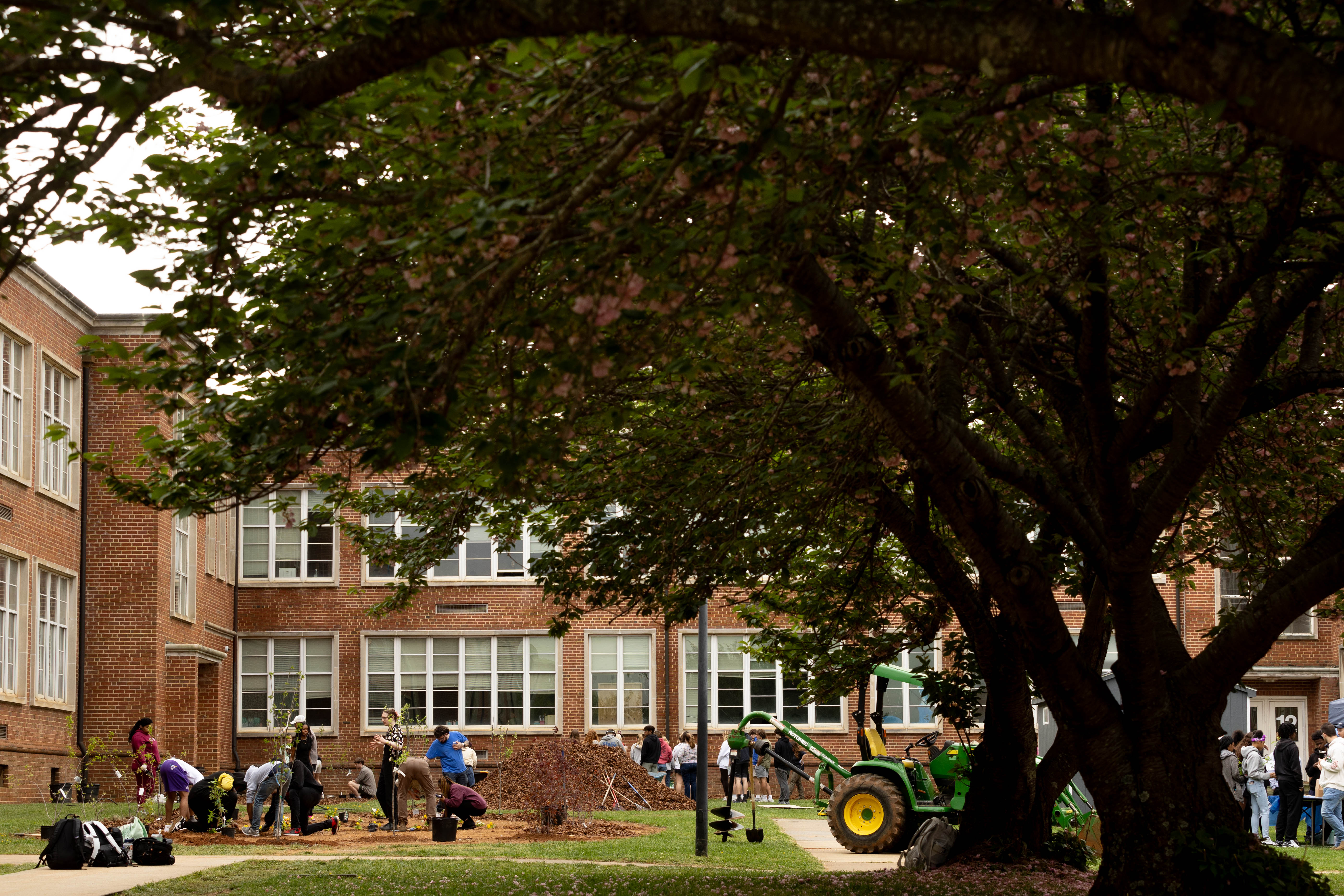
Ten localities participated in the Virginia Foundation of Independent Colleges’ (VFIC) “Virginia Heat Watch” program to measure urban heat islands (UHIs). Data were collected using the standardized CAPA Strategies Heat Watch campaign process on a high-heat day in July 2021, utilizing a network of 213 volunteers on foot, bicycle, and cars to measure ambient temperature and humidity during the morning, afternoon, and evening hours. A total of 490,432 measurements were collected at one-second intervals and used to create and validate 10-m resolution temperature models for each of the 10 localities. Our heat mapping data reveal disproportionate heat vulnerabilities throughout our communities. Results indicate substantial intra-urban temperature differentials even in the smallest localities, averaging 3.2 °C for the morning, 5.1 °C for the afternoon, and 4.9 °C for the evening. Variation in temperature within and between localities was influenced by physical factors (e.g., land cover, elevation), social determinants (e.g., demographic composition, historical redlining), and elements of urban design (e.g., sprawl, parks). Higher percentages of people of color and historical redlining exhibited elevated temperatures at the Census block group level. Socioeconomic variables less commonly used in Environmental Justice (EJ) studies such as educational attainment and employment status were more predictive of high-temperature areas in the smaller localities. The findings highlight the broad range of UHI impacts and the critical roles of urban design and socioeconomic factors in shaping local extreme heat disparities. Collaborators in each locality have been using the heat mapping results in their communities to develop prioritized, equitable strategies to assess and address these disproportionate climate risks. Randolph College, University of Lynchburg, Sweet Briar College, and community partners in the City of Lynchburg, VA, have been collaborating on community resilience efforts since 2017, including the design and installation of urban “forest gardens” in heat-vulnerable neighborhoods. Urban forest gardens have the potential to address a multitude of issues: they can provide forage, reduce the urban heat island effect, store carbon, reduce runoff, improve air quality, create habitats, build community bonds, and encourage people to spend time outside. We have been collaborating with the City of Lynchburg, Lynchburg City Schools, the VFIC, the Virginia Department of Forestry, and community groups to design and implement urban forest gardens to address climate resilience in areas of Lynchburg assessed through our heat mapping study as vulnerable to heat risk, as well as areas of food insecurity and other pressures. We will share the educational and community resilience outcomes of two forest gardens projects we have implemented at public schools in high-heat areas of our city, and discuss the challenges and opportunities presented by collaborative community resilience work.
 - Indicates paper has been withdrawn from meeting
 - Indicates an Award Winner