
The availability of water to the Lower Rio Grande Valley is a function of the amount of rain that falls across the tributary and runoff regions of northern Mexico and Texas, which largely determine how much water is stored in reservoirs and then released downstream. The distribution of water along the Lower Rio Grande between Mexico and the United States is governed by the Water Treaty of 1944. The Treaty requires Mexico to share one-third of water that flows from select Mexican tributaries into the Rio Grande and one-half of water that flows down the Rio Grande from runoff and other flows.
Amistad and Falcon International Reservoirs, constructed in the latter half of the 20th Century, contain the highest proportion of water available for use in the Lower Rio Grande Valley. Since their construction, there have been periods of high water levels interspersed with periods of low water levels. High levels are most often the result of torrential rainfall from dissipating tropical cyclones or tropical waves while low levels are the result of drought, heat, and high evaporation rates. The unique nature of the Lower Rio Grande Valley’s water situation has differences and similarities to other drought-concerned regions of the American West. Differences include the need to balance municipal water use along an international border with a rapidly growing bi-national population, and to provide sufficient water to traditionally drought-intolerant crops and livestock. Similarities include the reliance on a single river and associated reservoirs to provide water for each sector to thrive.
From the early 2010s into the mid-2020s, low water levels have been dominant - a function of accelerated warming and evaporation rates, and few tropical cyclone or tropical wave remnants reaching the basin’s headwaters. During this time, municipal and agricultural needs have increased. In spring and early summer 2024 the combined storage of Amistad and Falcon fell to a historically low value, which triggered responses across the region. This included an increase in municipal water use restrictions, as well as the closure of a large sugar mill after fifty years of service in the region. Municipal water use restrictions included reduced or eliminated yard watering and vehicle washing. Water use limitations can include periodic shut-off. For agriculture, reduced availability of irrigation water can combine with rapid increases in salinity to sharply reduce traditional local crop production.
In the summer of 2024, regional elected officials, water commissions, irrigation district managers, and others met to form a region-wide water management group to address these needs. The group planned to devise strategies to mitigate against current and future water crises by advocating for a multi-pronged approach to water use, to include conservation, reclamation, desalination, and other actions necessary to better insulate the region from physical and economic harm. These proactive methods, set against a backdrop of expected continued warming and more severe droughts, will be described in this presentation.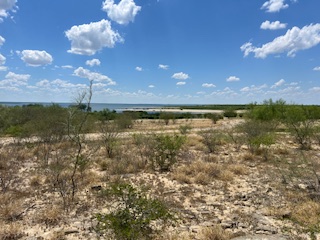
 - Indicates paper has been withdrawn from meeting
 - Indicates an Award Winner