
In this study, over 700 GSSA size distributions were collected using an impaction method across four open-ocean field campaigns: VOCALS, ICE-T, SOCRATES, and HAWAII. These distributions, gathered from altitudes ranging from 15 m to 1000 m above sea level, reveal a strong dependence on wind speeds across various geographic locations, as well as efficient mixing of particles up to 10 µm rd throughout the MBL.
Utilizing these distributions, the authors have developed a new source function that models the effective production and entrainment of GSSA particles into the marine atmosphere by employing a continuous build-up technique. HYSPLIT trajectories, derived from ERA5 data, were used to analyze each sample's geographic and environmental history, which informed the development of this novel source function. Additionally, this new source function is compared to the most widely used sea salt source functions in major earth system models to understand how well existing production equations represent these in-situ observations. 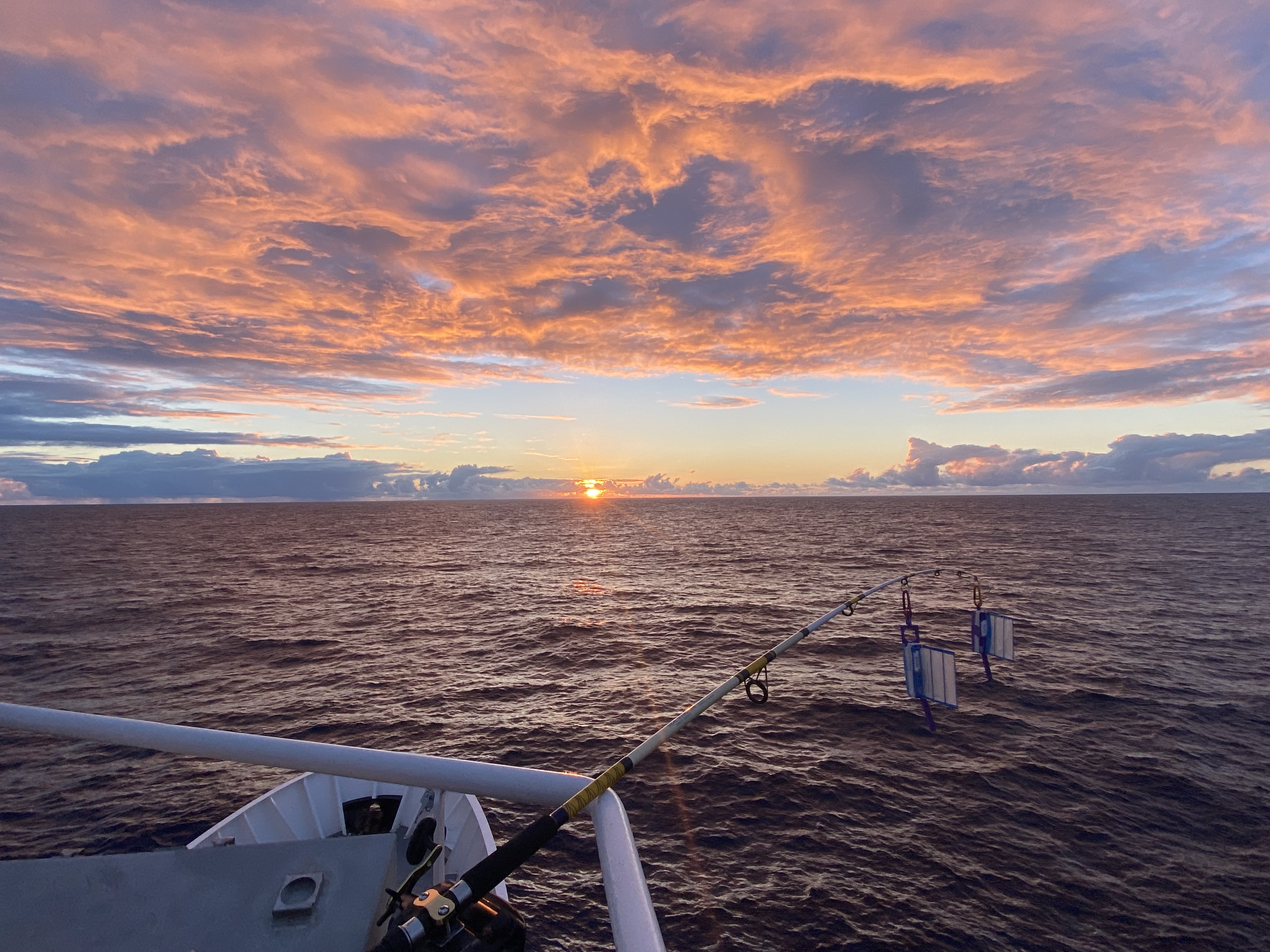
 - Indicates paper has been withdrawn from meeting
 - Indicates an Award Winner