
Wednesday, 15 January 2025: 4:30 PM
215 (New Orleans Ernest N. Morial Convention Center)
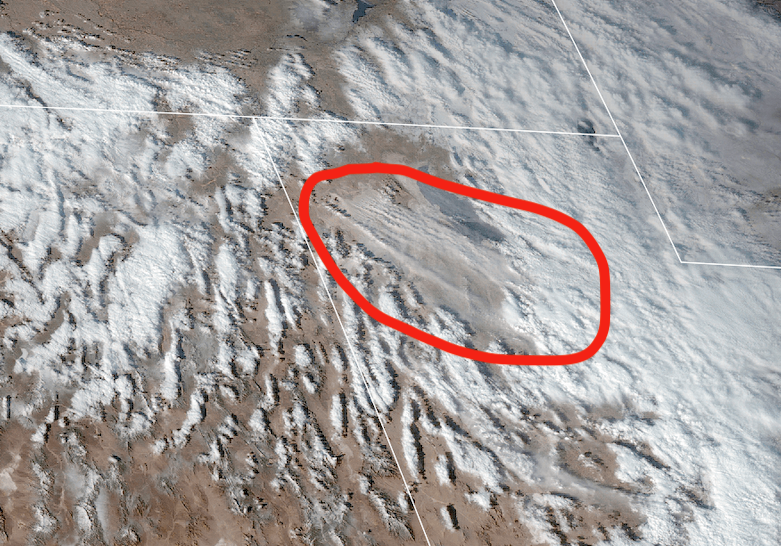
Dust events in the eastern Great Basin, USA contribute to elevated particulate matter levels and decreased visibility, impacting air quality, traffic safety, and water supply. This study explores the relationship between Dust Event Days (DEDs), Dust Event Hours (DEHs), and the Drought Severity and Coverage Index (DSCI) in the context of the declining Great Salt Lake (GSL). The eastern Great Basin has experienced increasing dust events as playas, along with the Great Salt Lake itself, continue to experience record low levels over the past decade, exposing more lakebed area to wind erosion. OLS regression analysis of meteorological data from Salt Lake City International Airport (KSLC) from 1997 to 2022 shows that 26% of the variation in DEDs/DEHs can be explained by, primarily, lower GSL levels and to a lesser extent an overall higher DSCI index. This indicates that severe drought conditions and declining GSL levels increase the frequency and intensity of dust events. DEDs occurred in all seasons, with highest frequency in spring and summer. As the GSL continues to recede, driven by both climate change and human water consumption, the region experiences more frequent dust events. This connection between DSCI, GSL levels, and dust transport underscores the growing environmental and public health risks posed by prolonged drought and the continued decline of the Great Salt Lake. Understanding these relationships is critical for predicting future dust activity and mitigating the associated risks to air quality, public health, and safety in the region.
 - Indicates paper has been withdrawn from meeting
 - Indicates an Award Winner